Ria Bahadur.
Neuroscience & neuroethics

Before policy, the lab.

Research and clinical work spanning neural stem cells, mechanobiology, electrophysiology, restorative neurotechnology, mitochondrial-disease models, and clinical neurology.

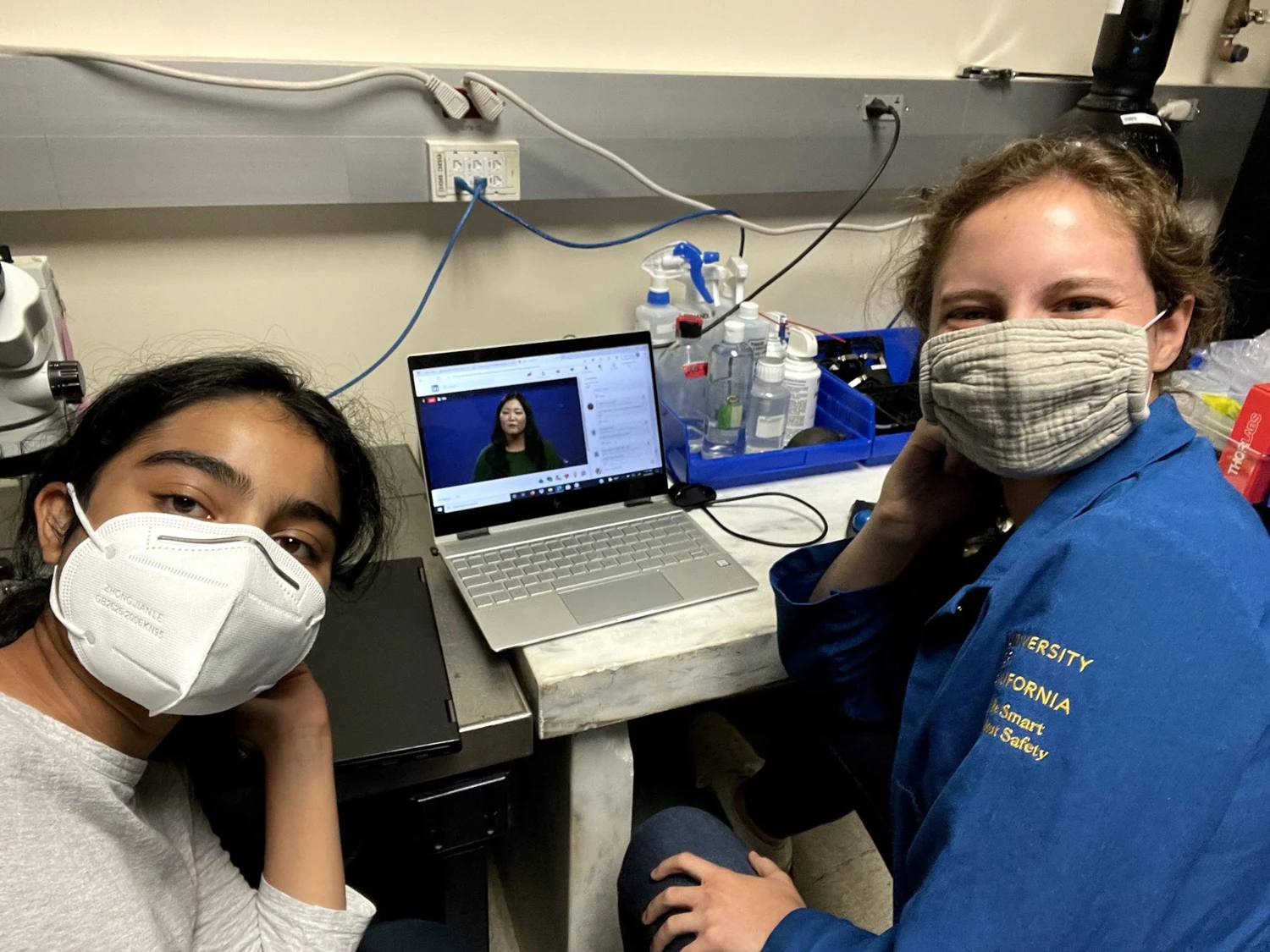
Ria Bahadur with a colleague at a neuroscience laboratory workbench
At the research bench
UC Irvine · 2020–21

Pathak Laboratory

Training in neural stem cells, Cas9 gene editing, cell culture, brain organogenesis, Piezo1 mechanobiology, immunostaining, and FIJI analysis. Performed patch-clamp analysis across 100+ files and authored two laboratory protocols adopted for continuing use.
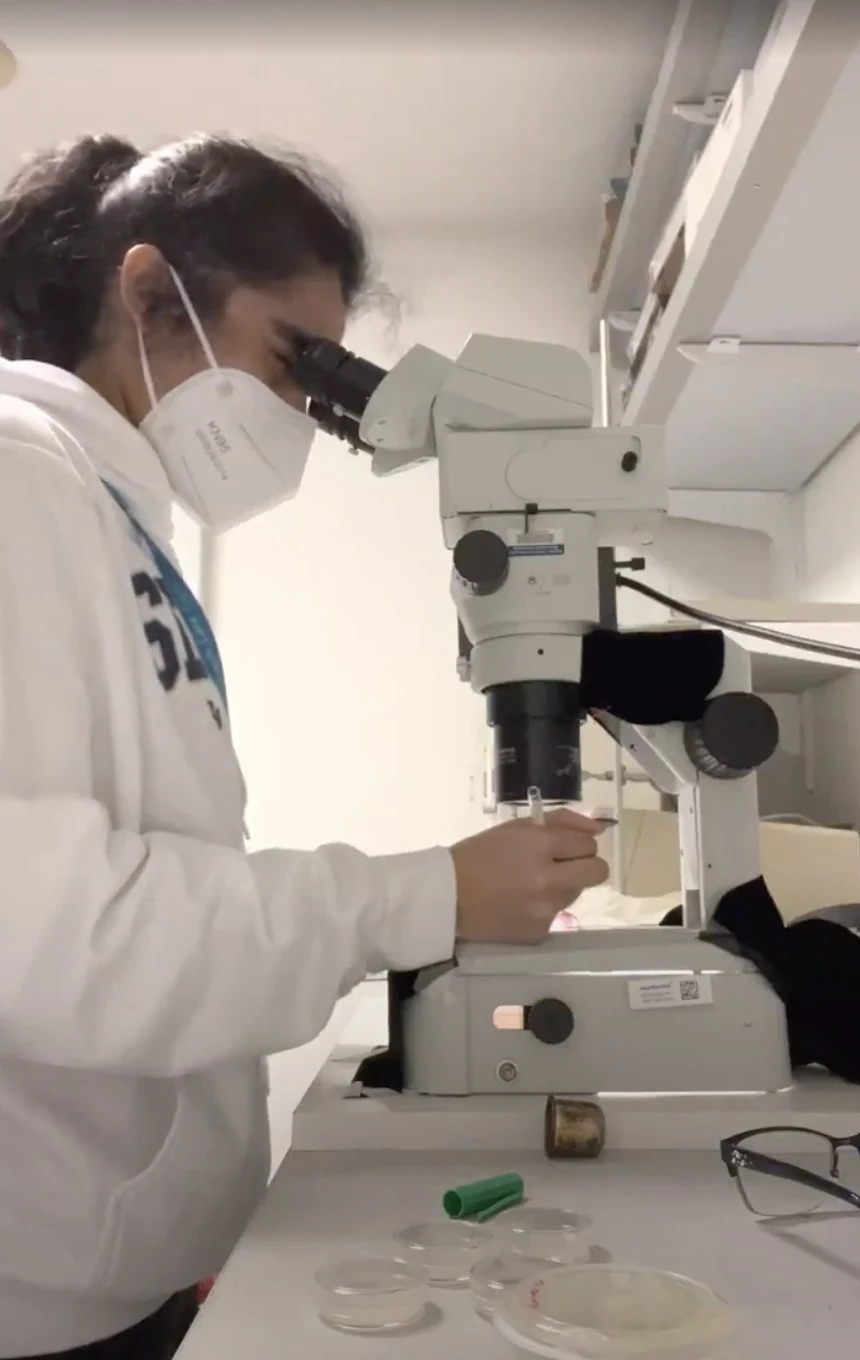
Seattle Children’s · 2022

Johnson Laboratory

Experimental work with genetic mitochondrial-disease models using C. elegans, including microscopy and laboratory protocols.

Clinical neurology · 2022

Neurological Associates of Washington

Clinical observation of diagnostic evaluation, treatment decisions, neurological care, and patient-provider relationships.

Ria Bahadur working at a laboratory microscope
Neuroscience research
From science to governance

What should an intervention make possible?

Laboratory and clinical experience shaped Ria’s interest in neuroethics. At eighteen, she was invited through the U.S. Department of State to contribute to UNESCO’s consultation on the ethics of neurotechnology.

UNESCO neurotechnology ethics