Research begins in neuroscience.
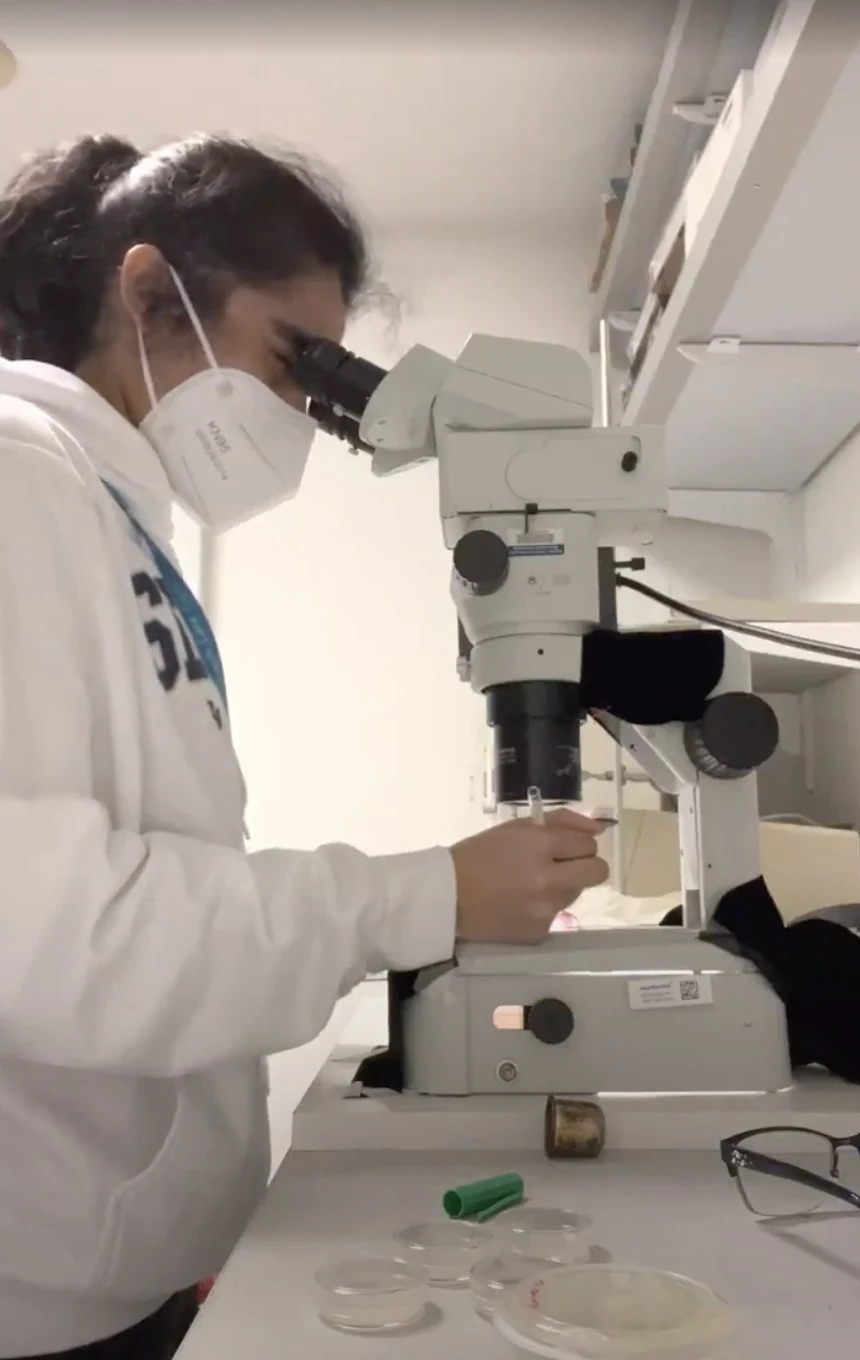
At UC Irvine’s Pathak Laboratory, Ria trained in neural stem cells, brain organogenesis, Piezo1 mechanobiology, imaging, and electrophysiology. Neurotechnology and clinical work followed.
Explore her early research
Ria Bahadur is a legislative author, science-security researcher, and founder. Her work asks where people and institutions can intervene before harm becomes harder to prevent.
“Innovation has always outpaced our ethical and regulatory muscle memory.”
Ria Bahadur · Sciences Po interview · 2026
At UC Irvine’s Pathak Laboratory, Ria trained in neural stem cells, brain organogenesis, Piezo1 mechanobiology, imaging, and electrophysiology. Neurotechnology and clinical work followed.
Explore her early research
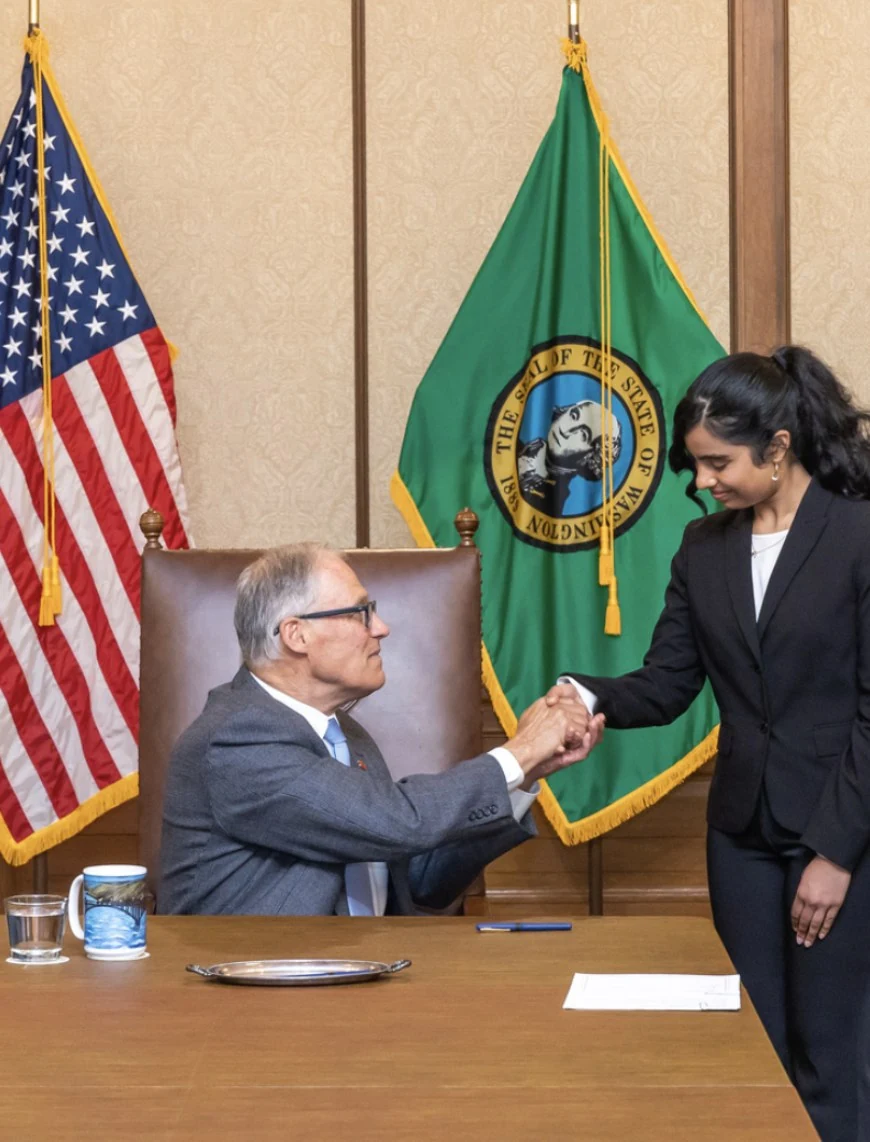
She created, drafted, and negotiated a trafficking-prevention education measure. The Senate passed it 48–0. The House passed it 97–0. Governor Jay Inslee signed it on May 4, 2023.
Follow Mission 5355
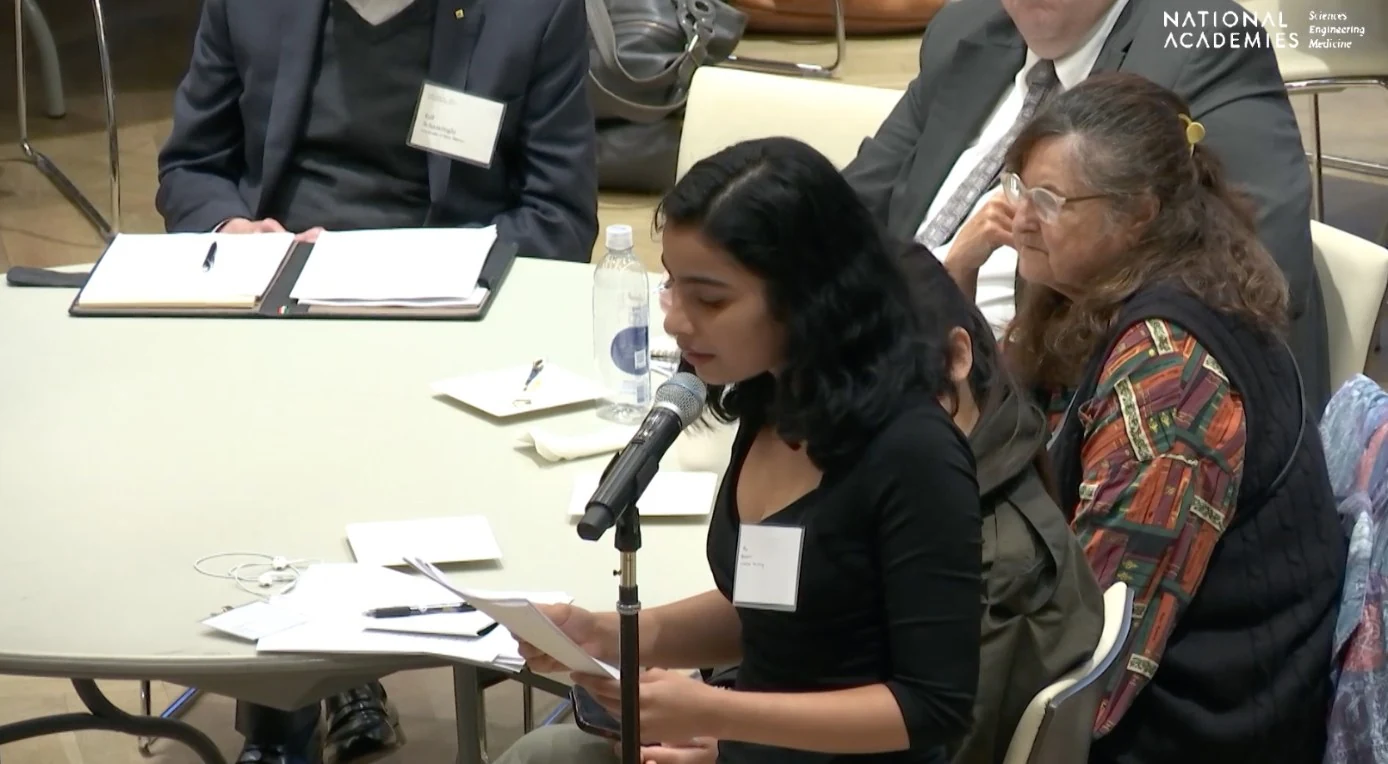
Ria participated in the National Academies research-security roundtable at Hoover and, by U.S. Department of State invitation, contributed as an Academic (Medical) Stakeholder to UNESCO’s neurotechnology ethics consultation.
Read about the UNESCO contribution
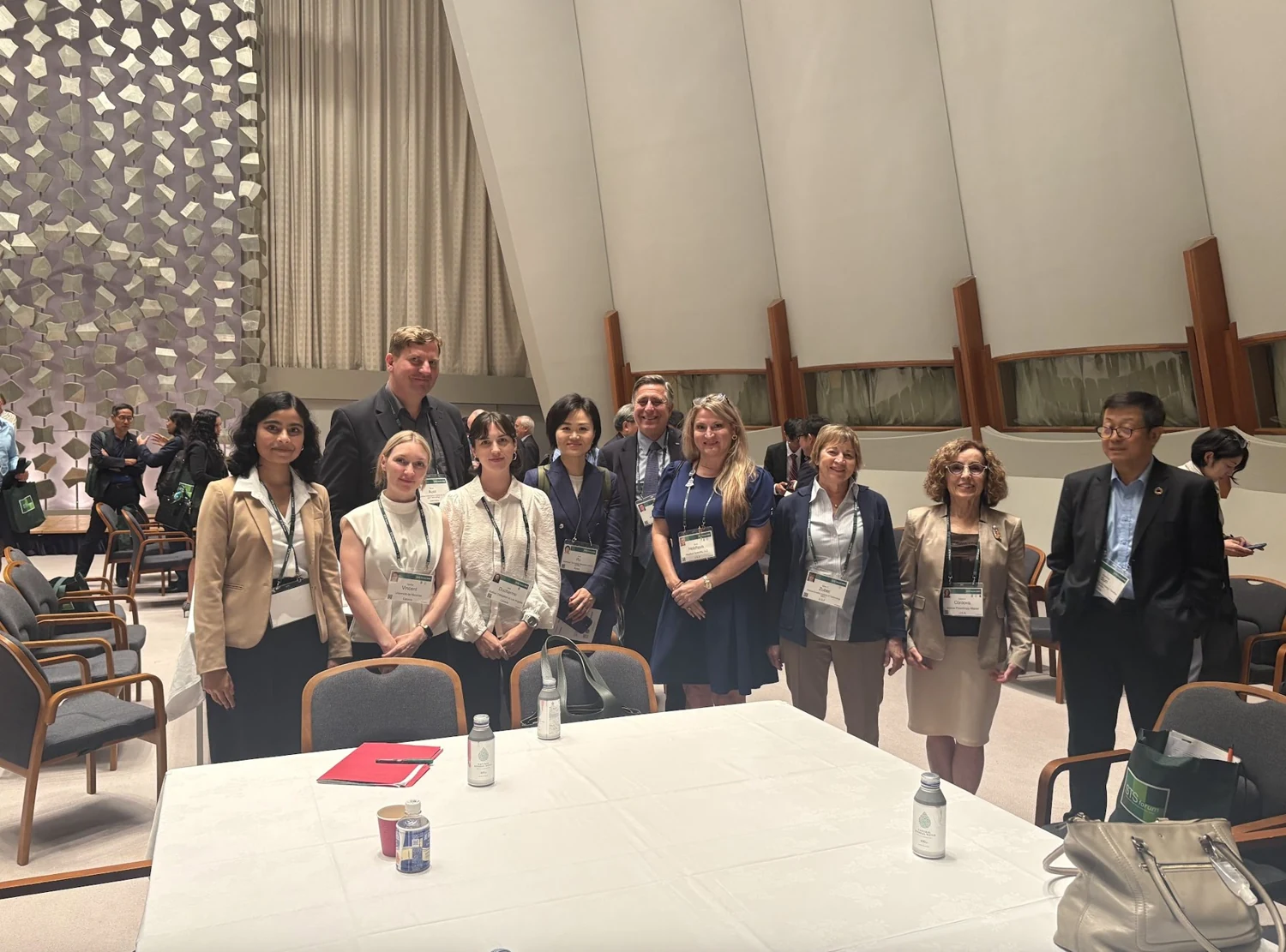
One of the STS Forum’s youngest-ever invitees and attendees, Ria was selected for rapporteur responsibilities. She returned in 2025 and was invited for a third consecutive Annual Meeting in 2026.
Explore the STS Forum record
From neural systems to trafficking prevention, research security, and wargaming, Ria returns to a practical question: where is there still room to act?
Today, that question connects her Stanford STS Honors research, work at NATO CCDCOE, Hoover’s Project Innovation, Mission 5355, and independent building.
“Science itself is just a form of innovation. What you do with it is human; whether it heals or harms depends on the choices people make. I always say, you can cut fruit with a knife or stab someone with a pencil. How do we know how someone will use those tools?”
Ria Bahadur · Sciences Po interview · 2026
Selected through STS Forum and NAA–STS Forum in a program recognizing emerging women leaders in science, technology, and security, with support from the Henry Luce Foundation.
One of five selected from Stanford’s Class of 2027 for leadership, service, and advancement of women.
One of four presenters selected for original research on technological wargaming.
One of 23 fellows selected for research on adversarial behavior and research-security vulnerabilities.